Which Vaccines Does Your Pet Really Need?
Many pet parents today question whether pet vaccination is truly necessary. Concerns about safety, doubts about effectiveness, and the belief that indoor or low-exposure pets are not at risk have led some owners to delay or avoid vaccinations altogether.
In recent years, skepticism around human vaccines has also influenced how people view veterinary care, adding to confusion and mistrust.
What often gets lost in that conversation is the scope of protection vaccines provide. Modern veterinary vaccines help prevent dozens of serious, highly contagious diseases across dogs, cats, and even exotic pets—many of which are not limited to high-risk environments and can spread through everyday contact, shared spaces, or unexpected exposure.
Understanding which vaccines matter, why they are recommended, and how veterinarians tailor them to each pet is essential for making informed decisions.
Core Vaccines Every Dog Should Have
Rabies
Rabies is a viral disease that attacks the nervous system and is almost always fatal once symptoms appear. It can be transmitted through the bite or saliva of an infected animal and poses a serious risk to both pets and humans.
Because rabies is a public health concern, vaccination is legally required in many regions.
Distemper
Canine distemper is a highly contagious virus that spreads through respiratory droplets and direct contact. It affects multiple body systems, including the respiratory, gastrointestinal, and nervous systems.
Symptoms may range from coughing and fever to seizures and paralysis in advanced cases.
Even dogs that survive distemper can suffer permanent neurological damage, making vaccination a critical line of defense.
Parvovirus
Canine parvovirus is an aggressive virus that attacks the digestive tract and immune system. It causes severe vomiting, diarrhea, dehydration, and weakness, often requiring intensive veterinary care.
Puppies and unvaccinated dogs are especially vulnerable, and the virus can survive for long periods in the environment.
Adenovirus (Canine Hepatitis)
Canine adenovirus causes infectious hepatitis, a disease that affects the liver, kidneys, spleen, and eyes. Dogs may experience fever, abdominal pain, vomiting, and in severe cases, liver failure.
The virus spreads through bodily fluids and can lead to long-term organ damage in dogs that recover.
Core Vaccines Every Cat Should Have
Rabies
While indoor cats may seem protected, exposure can still occur through contact with bats or other animals that enter the home. Keeping cats vaccinated helps ensure their safety while meeting public health requirements.
Feline Viral Rhinotracheitis, Calicivirus, and Panleukopenia (FVRCP)
The FVRCP vaccine protects against three serious feline diseases:
- Feline Viral Rhinotracheitis is a herpesvirus that causes upper respiratory infections, leading to sneezing, eye discharge, fever, and long-term respiratory issues in some cats.
- Calicivirus can cause respiratory illness as well as painful oral ulcers, making eating and drinking difficult.
- Panleukopenia, often referred to as feline distemper, is a highly contagious virus that attacks the immune system and digestive tract. It can cause severe dehydration, infection, and is frequently fatal in kittens.
Non-Core Vaccines: When Extra Protection Makes Sense
Non-core vaccines are recommended based on lifestyle and exposure rather than universally.
For dogs, these may include:
- Bordetella for dogs that visit boarding facilities, groomers, or daycare
- Leptospirosis for dogs exposed to wildlife or standing water
- Lyme disease for dogs in tick-prone areas
- Canine influenza for dogs that interact with large groups of other dogs
For cats, the most common non-core vaccine is:
- Feline leukemia virus (FeLV), often recommended for kittens and cats with outdoor access or contact with other cats
How Veterinarians Decide Which Vaccines Your Pet Needs
Veterinarians do not rely on a one-size-fits-all approach to vaccinations. Each pet’s plan is based on several important factors, including:
- Age and Life Stage: Puppies and kittens need different protection than adult or senior pets.
- Lifestyle and Exposure: Pets that socialize with other animals, attend daycare, travel, or spend time outdoors face different risks.
- Geographic Considerations: Certain diseases are more common in specific regions. For example, Lyme disease is more prevalent in areas with high tick populations, while leptospirosis is more common in areas with standing water and wildlife exposure.
- Overall Health: Medical history, immune status, and existing conditions all matter.
The goal is to provide protection that makes sense for your pet’s real-world risks while avoiding unnecessary exposure.
Puppy and Kitten Vaccination Schedules: Building Early Protection
Young pets receive vaccines in a series rather than all at once to help build strong immunity as their immune systems develop.
Puppies and kittens typically begin vaccinations around six to eight weeks of age and continue with boosters every few weeks until the series is complete. Early visits also allow veterinarians to monitor growth, answer questions, and address any concerns as soon as possible.
Adult and Senior Pets: How Vaccine Needs Change Over Time
As pets mature, vaccination needs may evolve. Adult pets often require boosters at longer intervals, while senior pets may benefit from adjusted schedules based on health and risk level.
Age alone does not eliminate the need for vaccines, but veterinarians carefully balance protection with each pet’s immune response. Regular wellness exams help ensure vaccination plans remain appropriate as pets age.
Are Pet Vaccines Safe?
Pet vaccines are extensively tested and monitored for safety. Most pets experience no side effects beyond mild soreness or brief fatigue.
The benefits of vaccination far outweigh the risks for the vast majority of pets, especially when vaccines are administered in a thoughtful, responsible way.
How to Talk with Your Veterinarian About Vaccines
Open communication with your veterinarian is essential. Sharing information about your pet’s habits, environment, and any recent changes allows for better recommendations.
Helpful questions may include:
- Which vaccines are most important for my pet’s lifestyle?
- How often are boosters needed?
- Are there alternatives based on my pet’s age or health?
Conversations build trust and ensure care decisions feel informed and comfortable.
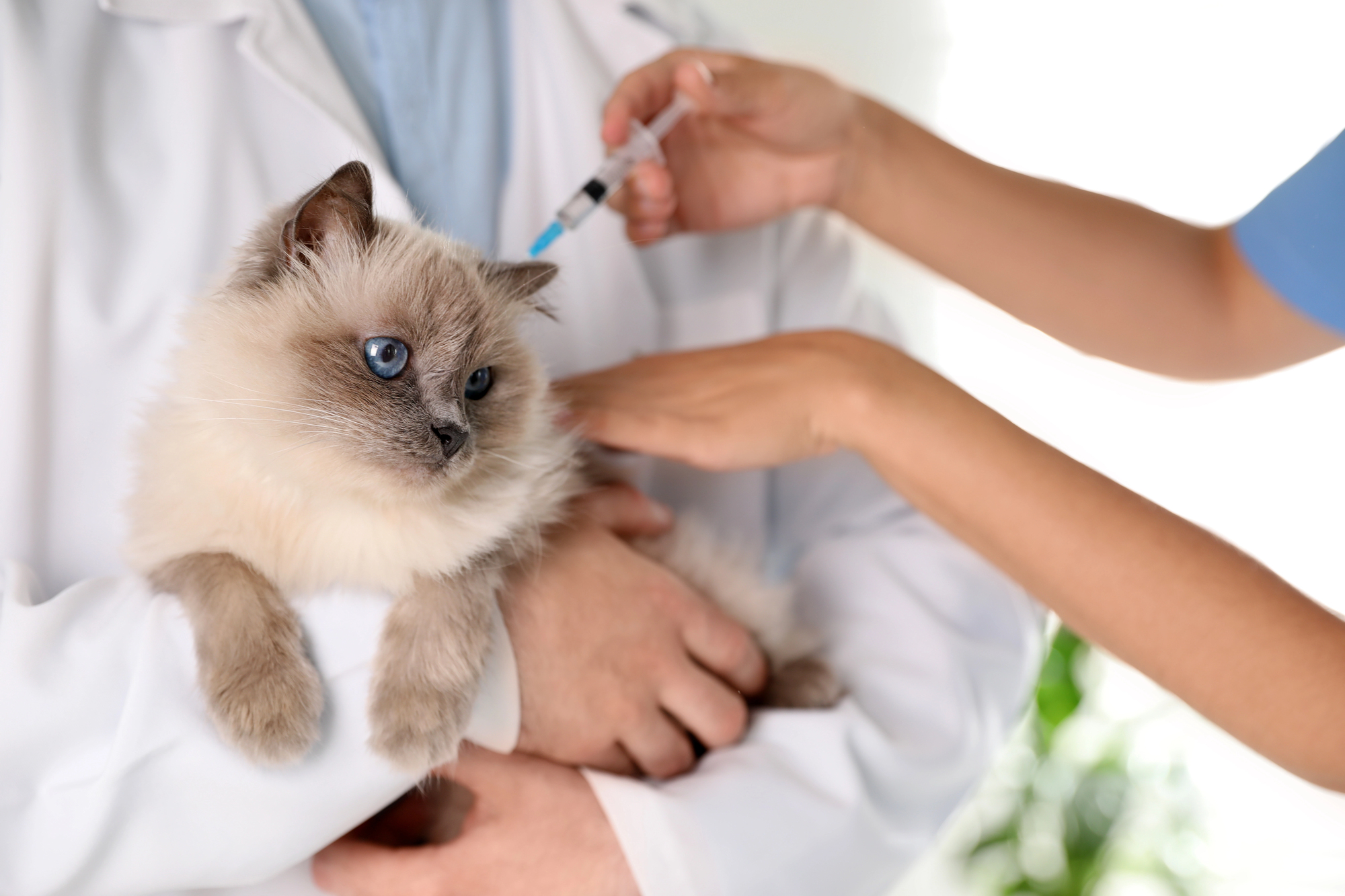
Protect Your Furry Friend with the Right Pet Vaccination Plan
Book an appointment with Golden Heart Veterinary Care to review your pet’s vaccination needs and wellness.
As a full-service veterinary hospital, we provide general, preventative, and specialized care for dogs and cats, supported by extended hours, short wait times, state-of-the-art diagnostics, and a highly personable team dedicated to VIP service for every pet and owner.