
Understanding Veterinary Ultrasounds: What Pet Owners Should Know
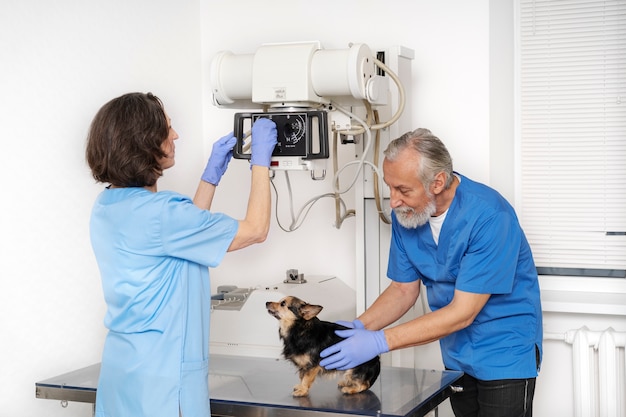
When your dog or cat is facing an unexplained health concern, you want answers as quickly and gently as possible. At Golden Heart Veterinary Care, located at 13205 Reams Rd, Suite 172, Windermere, FL 34786, our veterinary team uses advanced diagnostic tools like veterinary ultrasound to uncover what’s going on inside your pet—without the need for invasive procedures. If you’ve been searching for a “vet near me” who offers comprehensive diagnostics, you’ll find that our clinic is committed to providing high-quality, compassionate care for pets in Windermere and surrounding communities.
In this blog, we’ll explore what a veterinary ultrasound is, why your pet might need one, what you can expect during the procedure, and how ultrasound for pets supports accurate diagnosis and treatment. We’ll also guide you through when to seek veterinary care and how our veterinarians support ongoing wellness. If you’re interested in learning even more about this service, you can visit our page dedicated to veterinary ultrasound services for pets.
Recognizing When Your Pet Might Need an Ultrasound
It’s not always obvious when your dog or cat could benefit from veterinary ultrasound. Sometimes, your pet’s symptoms are subtle—perhaps your cat suddenly loses interest in food or your dog seems more lethargic than usual. Other times, your veterinarian may discover something unusual during a routine exam, such as an abdominal mass or changes in organ size, that prompts further investigation.
Key signs that may lead to a recommendation for ultrasound for pets include persistent vomiting or diarrhea, unexplained weight loss, abdominal discomfort, changes in urination or drinking habits, or a sudden decline in activity. Additionally, if your pet has abnormal bloodwork, a heart murmur, or swelling in the abdomen, our veterinary professionals may suggest an ultrasound to gain a clearer picture of internal organs. Since many issues are not visible externally, a veterinary ultrasound in Windermere may be the most effective way to assess your pet’s health without causing discomfort.
Understanding the Role of Veterinary Ultrasound in Pet Diagnostics
Veterinary ultrasound is a safe, non-invasive imaging technique that uses sound waves to create real-time images of your pet’s internal organs and tissues. Unlike X-rays, which are ideal for evaluating bones and certain dense tissues, ultrasound allows our veterinarians to see soft tissue structures in detail. This is particularly valuable for examining the abdomen, heart, liver, kidneys, bladder, and reproductive organs.
The need for ultrasound for pets in Windermere often arises when routine diagnostics, such as physical exams or blood tests, point to an internal issue that requires a closer look. For example, if your dog has repeated urinary tract infections, an ultrasound can help us identify bladder stones or tumors. In cases where your cat’s bloodwork suggests liver disease, ultrasound enables our veterinary team to visualize the liver’s size, shape, and texture. For heart concerns, ultrasound—also called echocardiography—can reveal heart function and detect conditions like cardiomyopathy or heart valve disease.
Our veterinary professionals may also recommend ultrasound as a follow-up to other diagnostic tools, such as digital radiology diagnostic imaging for pets or laboratory tests, to provide a more complete understanding of your pet’s health. Integrating multiple modalities allows us to offer some of the most comprehensive veterinary diagnostics in Windermere.
Common Reasons for Recommending Veterinary Ultrasound
Veterinary ultrasound for pets is commonly used to investigate gastrointestinal issues, abdominal pain, suspected tumors, fluid accumulation, reproductive problems, and cardiac concerns. Additionally, it plays a crucial role in monitoring pregnancies, guiding biopsies, and tracking the progress of chronic diseases. The ability to obtain real-time images means our veterinarians can make informed decisions about treatment plans and next steps right away.
What to Expect: The Veterinary Ultrasound Procedure
When your pet is scheduled for a veterinary ultrasound at Golden Heart Veterinary Care, our priority is to ensure both comfort and safety. The process typically begins with a gentle physical examination and a review of your pet’s medical history. In most cases, pets do not require sedation; however, if your dog or cat is especially anxious or if the exam is expected to be lengthy, mild sedation may be recommended to ensure stillness and accurate images.
Your pet’s fur may be shaved in the area being examined to allow clear contact between the ultrasound probe and the skin. A special gel is applied, and the probe is moved over the targeted region while the veterinarian observes the internal images on a monitor. The entire procedure is generally painless and takes anywhere from 20 to 45 minutes, depending on the complexity of the case.
During the ultrasound, our veterinary team will talk you through the steps, answering any questions you might have. In some situations, you may need to leave your pet with us for a short time so that we can complete the imaging and analysis. Once the ultrasound is complete, our veterinarians will review the results and discuss findings with you, outlining any recommendations for treatment or further testing.
How Veterinary Ultrasound Supports Accurate Diagnosis and Treatment
One of the greatest advantages of ultrasound for pets is its ability to provide detailed, real-time information without exposing your pet to radiation. This precision enables our veterinary team to diagnose a wide range of conditions quickly, which is especially important when time is of the essence.
Treatment decisions based on ultrasound findings might include medical management, dietary changes, surgery, or additional diagnostics such as pet diagnostic laboratory services at Golden Heart Veterinary Care. For example, if an ultrasound reveals a mass or abnormal fluid, our veterinarians can use the images to guide a safe, targeted biopsy. If heart disease is detected, we may recommend medication or lifestyle modifications to support your pet’s quality of life.
Ultrasound is also invaluable for monitoring the progression of chronic conditions, assessing the effectiveness of treatments, and planning surgical procedures. By combining ultrasound with other advanced diagnostics, our clinic provides some of the most thorough and effective veterinary diagnostics near me.
Supporting Preventive Care and Ongoing Wellness
While veterinary ultrasound is often used to diagnose illness, it also plays a role in preventive care. Early detection of organ changes, tumors, or heart conditions gives your pet the best possible chance for successful treatment. At Golden Heart Veterinary Care, we encourage routine wellness visits so our veterinarians can monitor your pet’s health and identify subtle changes before they become serious.
Home care between visits should focus on observing your pet for any behavioral or physical changes, such as altered appetite, weight, energy level, or bathroom habits. If you notice anything unusual, scheduling an appointment with our veterinary team promptly can make a significant difference. Regular communication with your veterinarian ensures that any necessary tests, including ultrasound for pets in Windermere, are performed at the right time.
Preventive care programs at our clinic are designed to keep your pet healthy through all life stages. Whether your concern is dental health, nutrition, or parasite control, our veterinary professionals are here to offer guidance and support tailored to your pet’s needs.
When to Schedule an Ultrasound or Seek Veterinary Care
Knowing when to seek professional help is crucial for your pet’s wellbeing. You should contact us immediately if your pet experiences sudden or severe symptoms such as persistent vomiting, difficulty breathing, unexplained pain, collapse, or loss of consciousness. In less urgent situations, such as gradual weight loss, increased drinking or urination, or changes in appetite, scheduling a timely appointment allows our veterinary team to assess whether a veterinary ultrasound in Windermere is warranted.
If your pet has already been diagnosed with a chronic condition, following your veterinarian’s advice for regular imaging and check-ups is the best way to stay ahead of potential complications. Our clinic is equipped to perform comprehensive diagnostics and will guide you through every step, from initial consultation to follow-up care.
It’s important to remember that while online resources can provide helpful information, only a veterinarian can accurately diagnose and treat your pet’s condition. For trusted, quality veterinary services near me, Golden Heart Veterinary Care is here to support you and your pet at every stage.
Compassionate, Local Care for Your Pet’s Health
Veterinary ultrasound is a powerful, non-invasive tool that helps our veterinary team at Golden Heart Veterinary Care provide the highest standard of care for your pets. By offering advanced diagnostics in Windermere and surrounding communities, we empower pet owners to make informed decisions and ensure their pets receive the right treatment, at the right time.
If you believe your dog or cat may benefit from ultrasound for pets in Windermere or if you have questions about your pet’s health, we invite you to schedule an appointment with our compassionate veterinary professionals. You can learn more about our veterinary ultrasound services for pets or call us at (407) 392-1888 to book a consultation. Our veterinary team is dedicated to being the “vet near me” that you and your pet can rely on for quality, comprehensive care in every situation.
For additional information about veterinary hospital standards and pet health resources, you may also visit the American Animal Hospital Association (AAHA) official website for veterinary hospital accreditation and pet health resources.
This blog is intended for informational purposes only and should not be used as a substitute for professional veterinary advice. If you notice any concerning changes in your pet’s health, please schedule an appointment with your veterinarian promptly.