Early Warning Signs of Illness Pet Owners Often Miss
Pets have a remarkable ability to carry on with daily life even when something feels off. In the wild, showing weakness can be dangerous, and that instinct remains strong in dogs and cats today. As a result, illness often begins quietly, with subtle changes that are easy to overlook during busy routines.
For pet owners, recognizing early warning signs can make a meaningful difference. Small shifts in behavior, appetite, or movement often appear well before more serious symptoms develop.
Understanding what to watch for helps you act sooner, ask better questions, and partner with your Windermere veterinarian in protecting your pet’s long-term health.

7 Symptoms Veterinarians Encourage Pet Owners to Watch for
1. Changes in Appetite or Drinking Habits
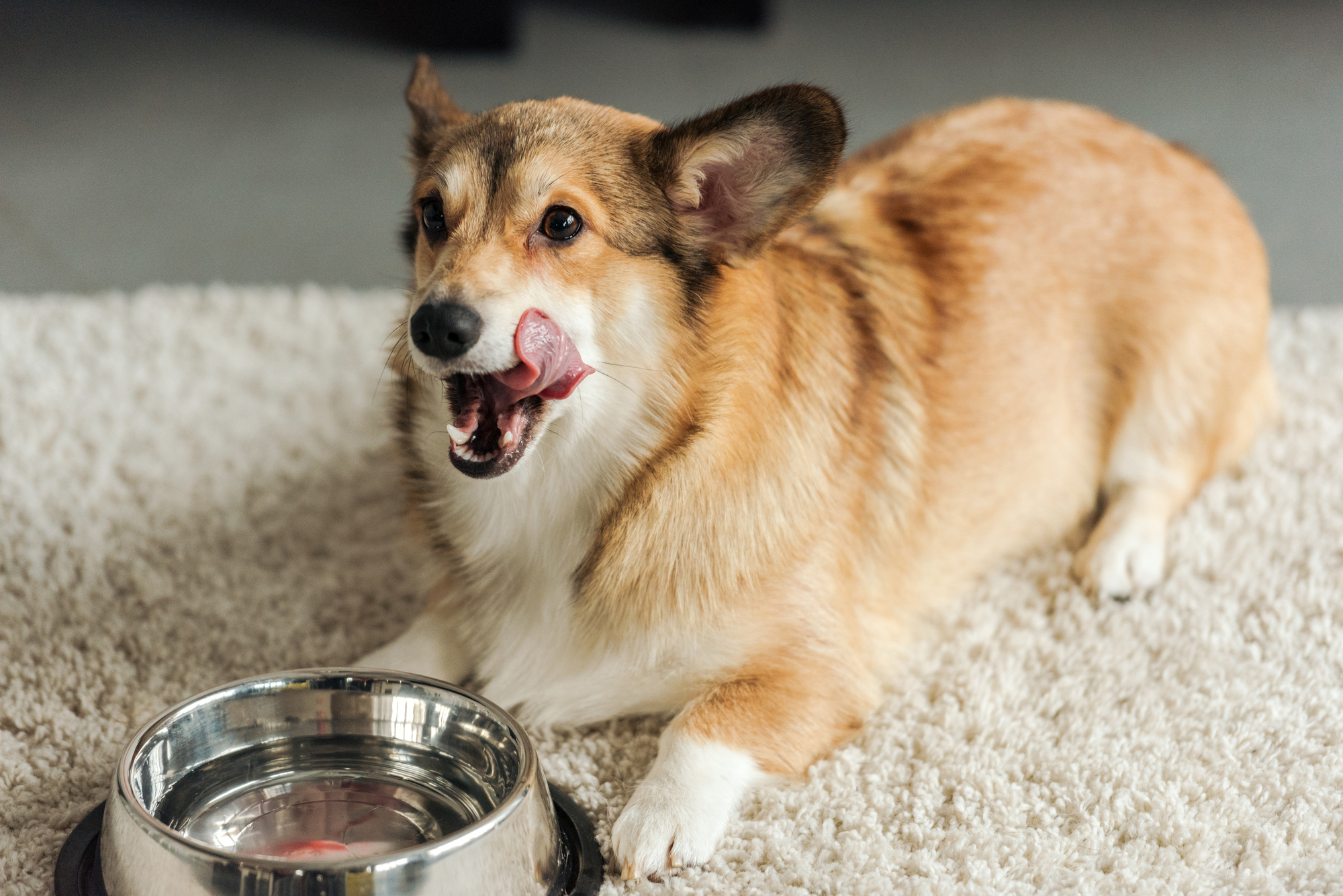
A missed meal or an extra trip to the water bowl may not raise immediate concern, but patterns tell a different story. Eating more slowly, leaving food behind, or showing less interest in treats can signal discomfort, nausea, dental pain, or metabolic changes.
Shifts in water intake are just as important. Increased thirst may point to kidney disease, diabetes, or hormonal imbalances, while reduced drinking can lead to dehydration and worsen underlying conditions. Because such changes often develop gradually, they are easy to normalize.
If altered eating or drinking habits last more than a day or two, or appear alongside other subtle signs like lethargy or changes in routine, it is worth discussing with your veterinarian.
2. Subtle Behavior Shifts That Signal Discomfort
Behavior is one of the clearest windows into a pet’s health. Pets that suddenly sleep more, withdraw from family interaction, or seek constant reassurance may be responding to discomfort or pain. Increased irritability, avoidance of handling, or changes in routine habits can also be early indicators.
Shifts are often mistaken for aging, stress, or personality quirks. However, behavior changes frequently appear before visible physical symptoms. Paying attention to what feels “off” about your pet’s usual demeanor can help identify health issues sooner.
Pet owners know their pets better than anyone else. Trusting your instincts and noting changes in behavior over time provides valuable insight for your veterinary team.
3. Changes in Mobility or Posture
Mobility issues rarely begin with obvious limping. The first signs often include hesitation before jumping, reluctance to climb stairs, stiffness after resting, or subtle changes in posture while sitting or standing.
Pets are experts at adjusting how they move to reduce discomfort. They may shift weight, move more slowly, or avoid certain activities without drawing attention to the cause. Adaptations can mask joint disease, muscle strain, or early arthritis.
Addressing mobility concerns as soon as possible supports comfort and helps preserve quality of life. A veterinary exam can determine whether supportive care, diagnostics, or treatment options are appropriate.
4. Digestive Changes Pet Owners Overlook
Occasional digestive upset happens, but repeated or lingering changes deserve attention. Vomiting once every few weeks, intermittent diarrhea, constipation, or changes in stool appearance can signal gastrointestinal disease, dietary intolerance, or systemic illness.
Because digestive signs often come and go, they are easy to dismiss. However, persistent digestive changes may lead to dehydration, nutrient deficiencies, or discomfort that worsens over time.
Keeping track of frequency, consistency, and duration helps your veterinarian identify patterns and determine next steps.
5. Oral and Dental Signs That Go Unnoticed
Dental disease is one of the most common yet overlooked health issues in pets. Bad breath, drooling, dropping food, chewing on one side, or pawing at the mouth may indicate oral pain or infection.
Many pets continue eating despite dental discomfort, which leads owners to underestimate the severity. Left untreated, dental disease can affect the heart, kidneys, and other organs.
Routine oral evaluations and professional dental care protect both comfort and long-term health. Subtle signs around the mouth often provide early clues.
6. Skin, Coat, and Grooming Changes
A pet’s skin and coat often reflect internal health. Excessive scratching, licking, or chewing may point to allergies, infections, or pain. A dull coat, hair loss, or new lumps and bumps can also signal underlying concerns.
In cats, reduced grooming is particularly important to notice. Matted fur or an unkempt appearance may indicate arthritis, dental pain, or systemic illness.
Regularly running your hands over your pet helps you detect changes. Skin and coat shifts often serve as effective warning signs before more obvious symptoms appear.
7. Breathing, Eye, and Ear Changes
Mild coughing, increased respiratory noise, or changes in breathing patterns can be indicators of heart or respiratory conditions. Moreover, eye discharge, redness, cloudiness, or squinting may signal irritation, infection, or injury.
Ear-related changes such as head shaking, tilting, or odor often develop before visible redness or swelling. Unfortunately, these issues can escalate quickly without treatment.
Prompt evaluation helps preserve comfort and prevent complications, particularly in sensitive areas like the eyes, ears, and airways.
When “Waiting It Out” Can Delay Care
Many pet owners hesitate to schedule a veterinary visit because symptoms appear minor, inconsistent, or short-lived. Others worry about overreacting or assume a problem will resolve on its own. While that approach feels reasonable, it can sometimes allow underlying conditions to progress quietly.
Early veterinary visits often lead to simpler treatment options, clearer answers, and better long-term outcomes. Addressing concerns sooner allows your veterinarian to establish a baseline, identify subtle changes, and rule out more serious issues before they become harder to manage.
Even when nothing concerning is found, the reassurance that comes from a professional evaluation provides peace of mind.
Open communication plays an important role in proactive care. Sharing small observations—no matter how insignificant they may seem—helps your veterinary team form a complete picture of your pet’s health.
If something feels unusual, it is always appropriate to ask. Veterinary teams are there to guide you, answer questions, and support confident, informed decisions.

Schedule Your Visit with a Trusted Windermere Veterinarian Today
At Golden Heart Veterinary Care, we make it easy to take action when your pet needs attention. Our full-service veterinary hospital provides preventive, general, emergency, and surgical care for dogs and cats, supported by advanced diagnostics, extended hours, and a highly attentive team.
If you have noticed changes in your pet’s health or simply want expert guidance, schedule an appointment with a Windermere veterinarian you can rely on.